

College Sports
“We know that we’ve demonstrated that we can be great in these sports and we want to do it for even more students.”
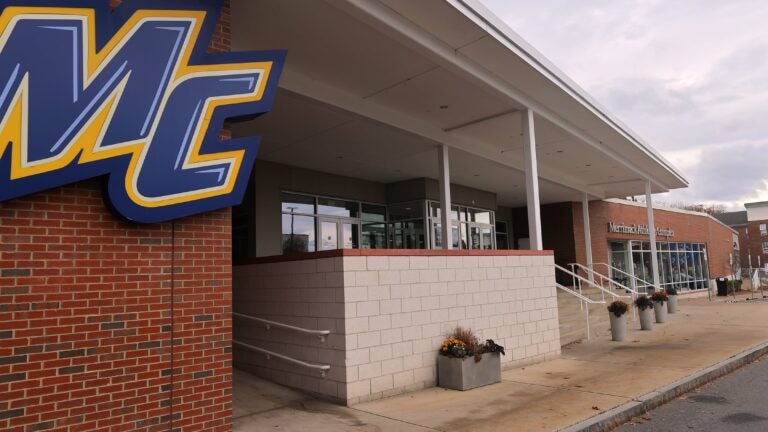
At a moment when New England colleges are facing headwinds that threaten their existence, Merrimack College’s momentum is taking it in the opposite direction.
Fueling its growth is a renewed emphasis on sports.
The addition of four Division 1 varsity sports ― women’s flag football (the first of its kind in New England), acrobatics and tumbling, men’s swimming, and men’s rowing ― next fall and infrastructure buildouts over the next five years, plus recent notable successes from its hockey and basketball teams, highlight the North Andover school’s dedication to athletics.
Its faith stems as much from a belief in the power of sports as it does from economic common sense that a strategic approach to introducing more sports will lift the school’s brand and bottom line.
“We value athletics and what it does for young people, what it does for our student-athletes, and we really want to try to make that available to even more students ― as many as we possibly can ― because we think it’s important, it’s mission aligned, it helps fulfill what we’re here for, what we stand for, and that’s really important to us,” said Merrimack athletic director Joe Foley.
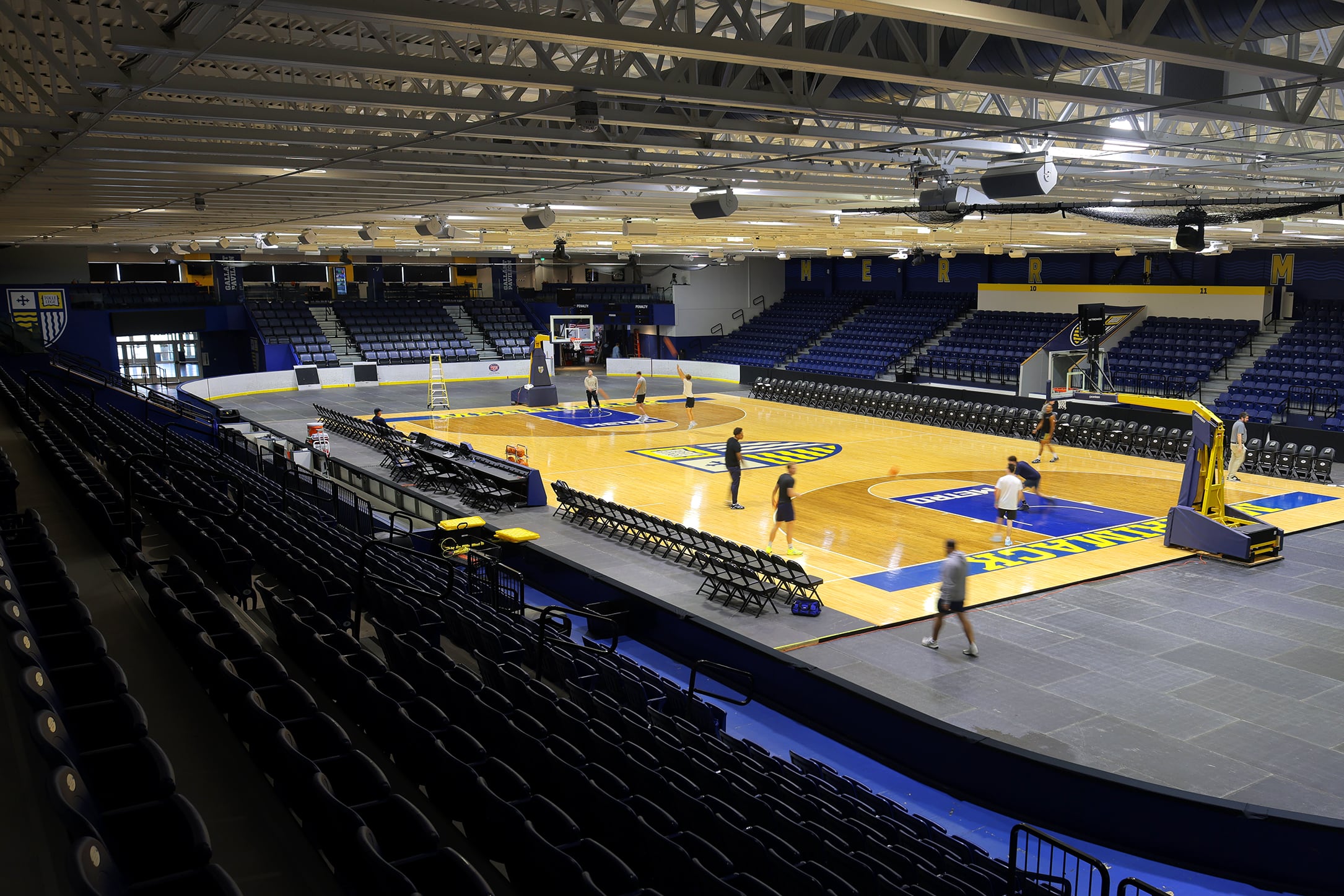
The strategy is ambitious but at a high level, it’s not all that complicated: More student-athletes on campus will generate more revenues for the school courtesy of enhanced enrollment and game-day revenues, philanthropy, and corporate opportunities.
The school completed its transition from Division 2 to 1 sports two years ago.
Coincidence or not, performances since then by existing teams have burnished the school’s overall brand. That should only help the recruitment of the next generation of student-athletes.
The men’s hockey team won its first Hockey East championship this year, the men’s basketball team won the Metro Atlantic Athletic Conference title, and the women’s basketball team earned its first invite to the Women’s National Invitation Tournament.

“We know that we’ve demonstrated that we can be great in these sports and we want to do it for even more students,” said Foley. “Now, we want to continue to grow, and we’ve got great support for our leadership, from our board of trustees to our president. Everybody’s vertically aligned and behind this and wants to see Merrimack be as great as it can be. We’re excited about where we’re going.”
The goal over the next several years is to increase the number of student-athletes by nearly 50 percent, from 680 to close to 1,000.
The reasons for introducing the four sports vary.
The draw to women’s flag football, a noncontact version of the sport that is backed by the NCAA and NFL, is obvious.
A big roster size is another.
The roster limit for flag football is 25, while acrobatics and tumbling cap at 55.
Swimming rosters are at 30, but men’s rowing has no limits. The school expects to eventually field around 60 men rowers. Along with the school’s recently elevated varsity cheer team’s 40 members, and approximately 120 “managers” who will support the teams and new staffs, the school’s student-athlete enrollment will grow by 300 or so by 2030.
That will require investment in facilities, said Foley, as well as an increase in the coaching and support staffs.
“We have to be conscious of how we can do it in a way that’s fiscally prudent and financially responsible, especially in an era when colleges and universities all over the country are pinching pennies to try to keep up with the ever-changing nature of Division 1 college athletics,” said Foley.
This growth phase comes when Merrimack is already defying national and regional trends in declining college enrollment caused in part by a drop in the birth rate, rising costs, and fewer international students. (Massachusetts has seen 14 institutions of higher education close or merge over the last decade, according to the New England Commission of Higher Education, a nonprofit, nongovernmental membership and accreditation organization.)
Merrimack currently enrolls 7,500 students. A decade ago, it had 4,000.
“Merrimack is one of a handful of outlier colleges that have been growing over the last decade-plus and are thriving in a moment when other institutions are struggling,” said Peter Stokes, the Boston-based managing director in the higher education practice at Huron Consulting Group. “Those institutions that have succeeded are entrepreneurial, they’re not afraid of bucking tradition.”
Merrimack views athletics as part of the solution versus the sole solution to achieving growth. Other measures, such as more graduate school offerings, new price points, a growing nursing program, and a three-year bachelor’s degree offering next year, are also in the mix.
“All those things in combination work to create a winning strategy for a college,” said Stokes. “Athletics is certainly one area where you can attract students, where you can develop offering some more contemporary kinds of sports like tumbling, like flag football.
“Those are very worthwhile experiments.”
Some smaller schools see net revenue per student decline when they start giving too many scholarships to athletes.
“The kinds of sports that Merrimack is now bringing online are large-roster sports that I think are playing to a very contemporary appetite for a different kind of athletic experience — the advantage is that these actually increase enrollment without driving down net tuition revenue,” said Stokes.
This matters, particularly when NIL and revenue-sharing continue to upend college sports.
“I don’t imagine there’s too many flag football players going into the portal,” said Stokes with a laugh.
Foley, who started his job a year and a half ago, said generating more revenue was the charge from the start.
It’s one reason why the department now has an athletic development operation with three full-time staffers soliciting and raising money. Their efforts, said Foley, have gone “really, really well.”
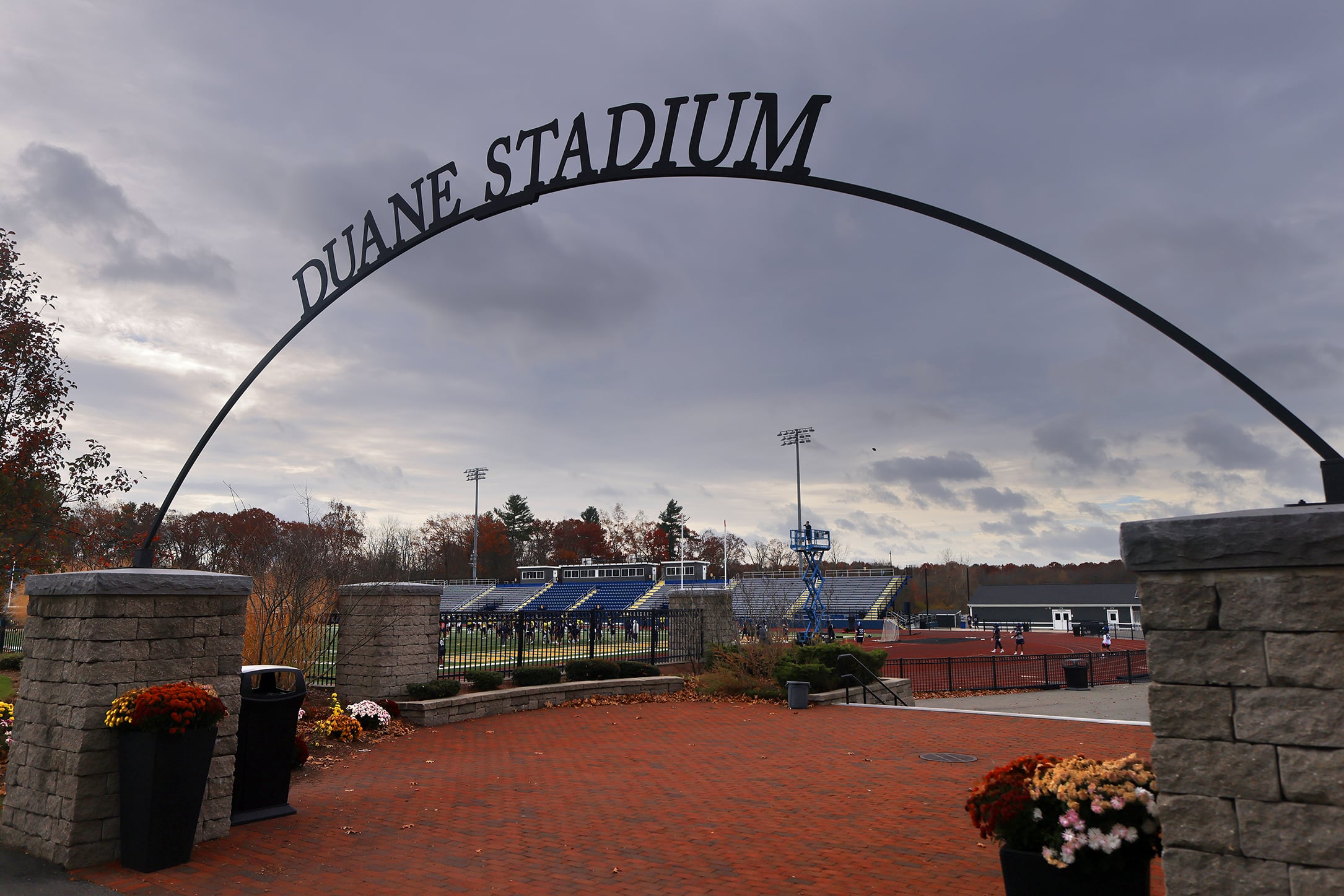
Over the next five years, Merrimack plans to expand its football stadium, build a seasonal dome for a full-field indoor practice facility for varsity, club, and intramural sports, a baseball facility, a gymnasium, and a boat house along the Merrimack River.
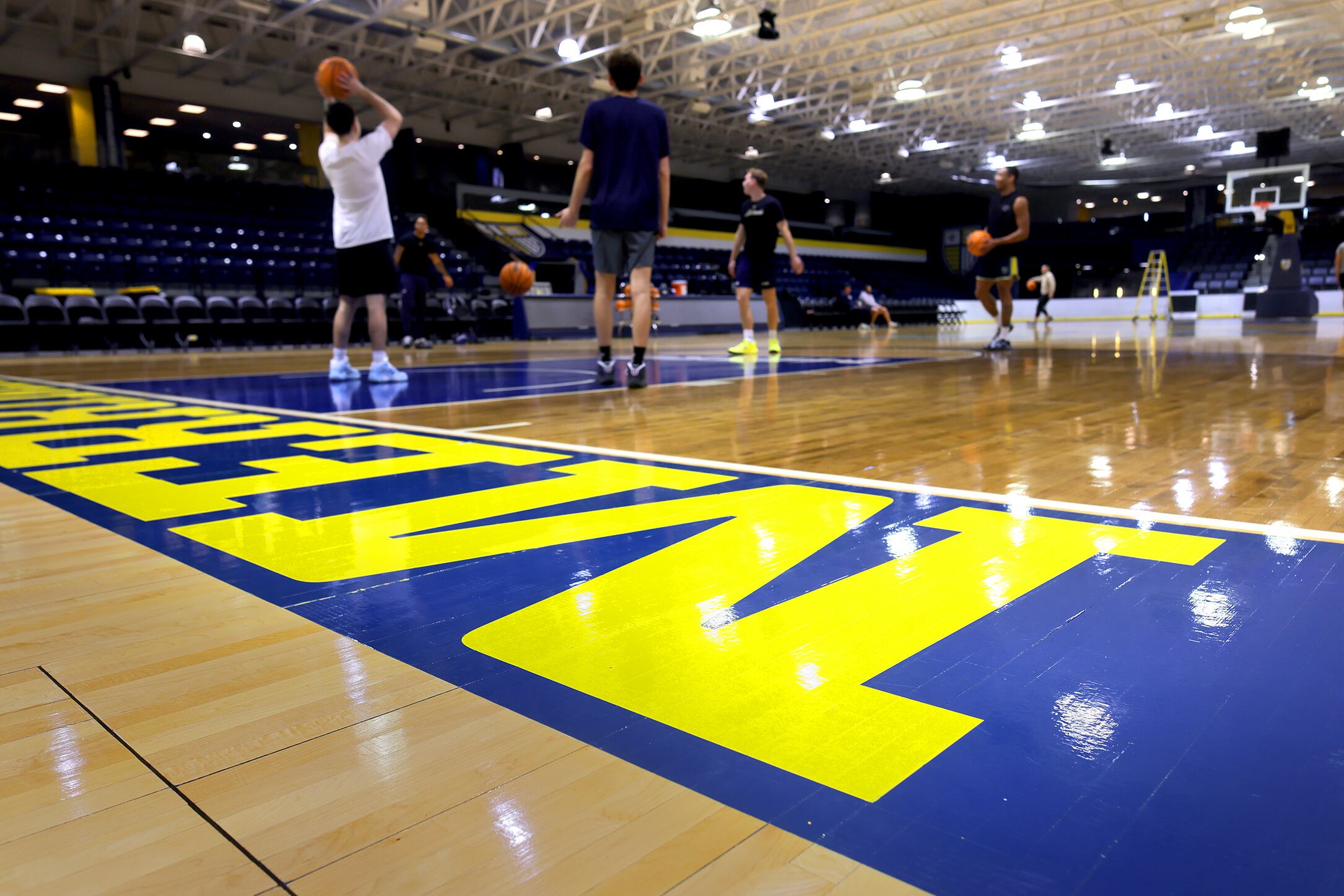
“We recognize that the landscape in college athletics is ever-changing,” said Foley. “The only thing I know I can be sure of is seed costs are going up all along the way. We have to think creatively and differently about how we’re going to monetize our athletics program to enhance the student-athlete experience so that we can fund the growing expenses.”
Parent philanthropy, corporate partnerships from alum- or non-alum-associated companies, ticket and concession sales are all expected to be revenue sources.
The private school is not revealing specifics on projected revenues and expenditures.
The outlay is part of the school’s Agenda for the Future, a blueprint for growth that mentions an investment of “approximately $50 million-$75 million in capital improvements necessary to elevate Merrimack’s academic, student, and athletic facilities to a level that represents its ambitions.”
For now, Merrimack has met its ambitions on the athletic front with an open mind about what comes next.
“I don’t want to say we’re ‘there,’ but I don’t want to say we’re ‘not there,’ ” said Foley. “We’ll always evaluate it, we’ll look at the landscape and see what makes sense. For now, we think we like where we are. But that’s not to say we couldn’t consider other things in the future.”
Get the latest Boston sports news
Receive updates on your favorite Boston teams, straight from our newsroom to your inbox.
